6 unusual things to do at the abandoned Tempelhof Airport in Berlin
The first time I was in Berlin, a friend insisted I go to Tempelhof. In my head, I thought, “Why the heck should I go visit an abandoned airport?” Little did I know of the many things you can do and see there! Here are six things you can do at Tempelhof that go well beyond the history books.

A Quick History
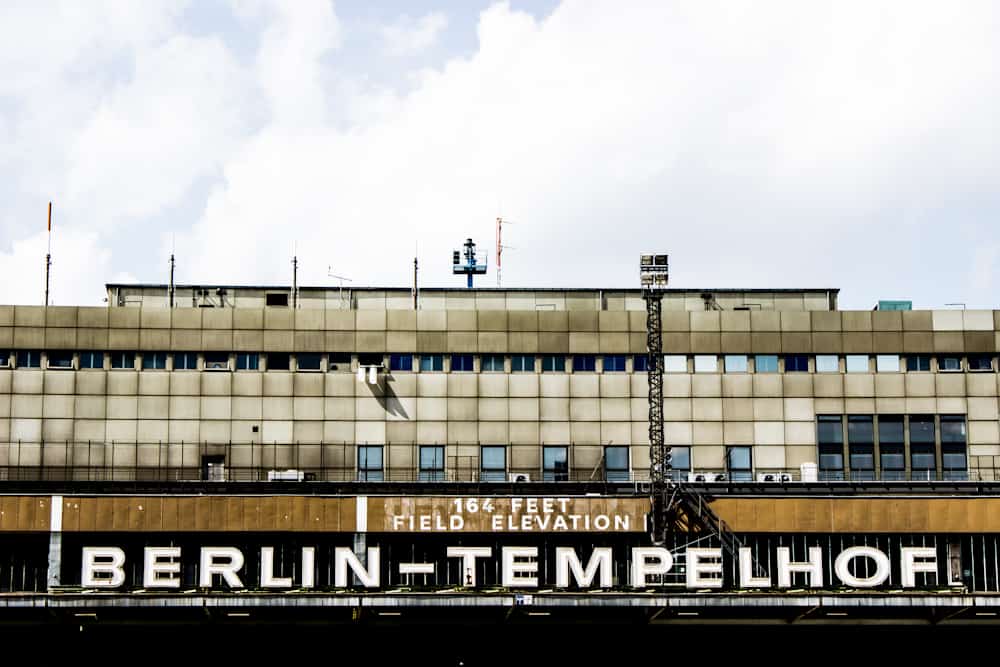
Tempelhof Airport was built in the 1920s and became one of the first commercial airports in the world. It was designed to symbolize Germany’s ambition and grandeur, with its iconic sweeping and curved facade terminal. The airport played a crucial role in World War II, specifically serving the Berlin Airlift and supporting West Berlin during the Soviet blockade of 1948-1949 — at the height of the airlift, a plane landed here roughly every 90 seconds, day and night. Commercial operations declined after the Cold War, and in 2008, all commercial flights officially stopped.
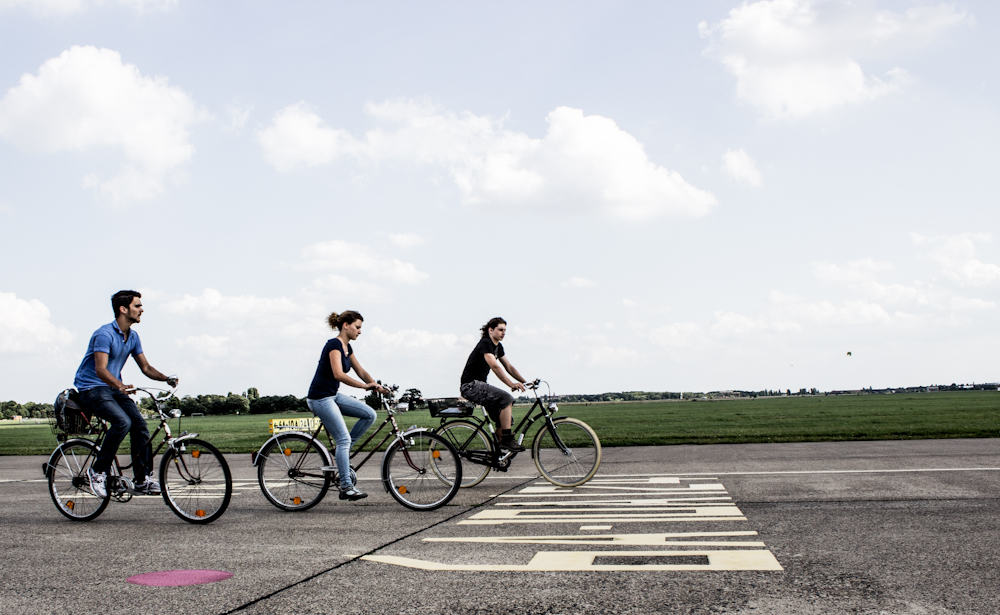
Two years later, in 2010, the airport reopened as a public park under the name Tempelhofer Feld, becoming one of the biggest inner-city parks in the world. The former runways now offer a vast recreational area for Berliners and tourists, while the terminal building has been preserved and hosts guided tours and event space, serving as a reminder of the past.
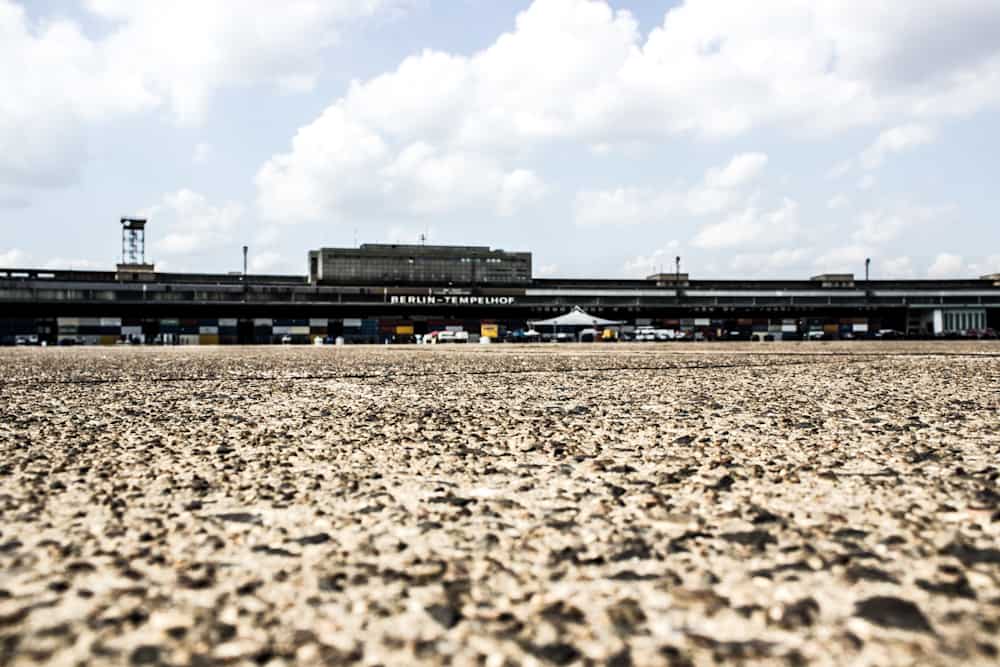
6 Things to Do at Tempelhof Airport
1. Take a Guided Tour Inside the Terminal
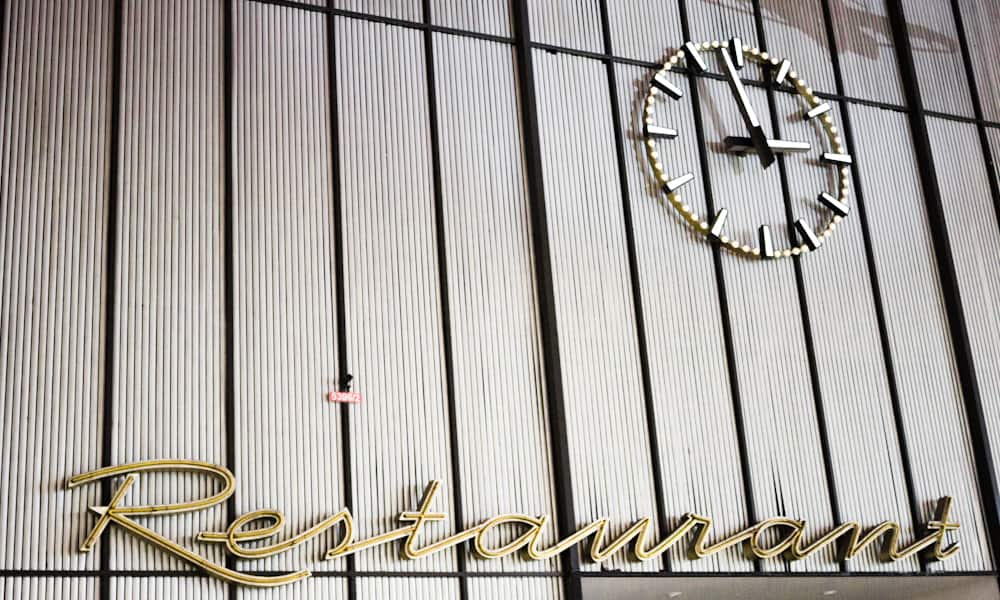
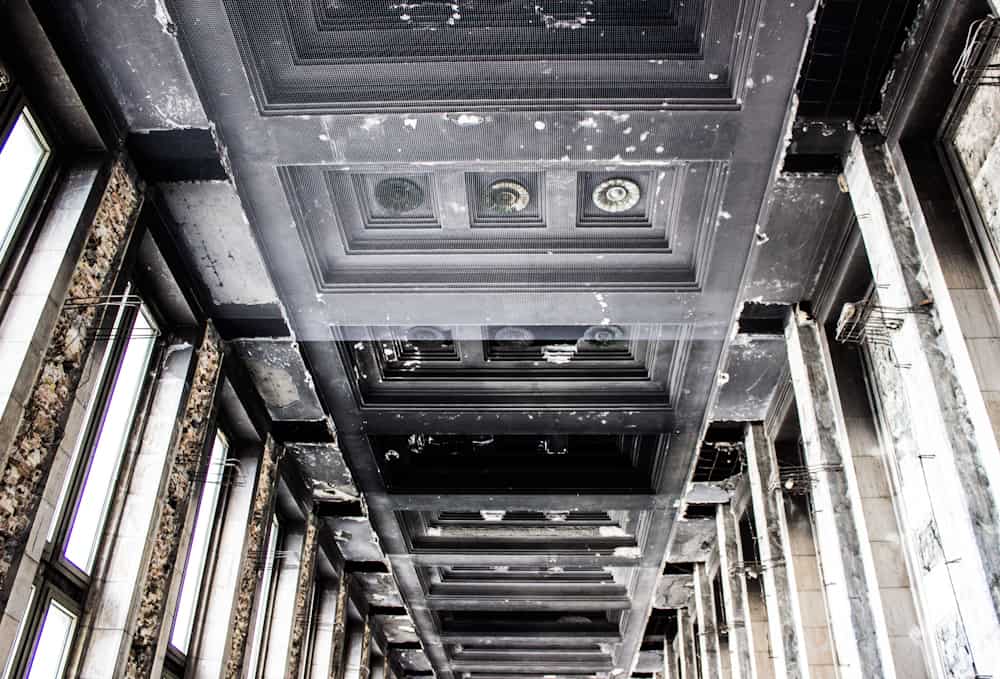
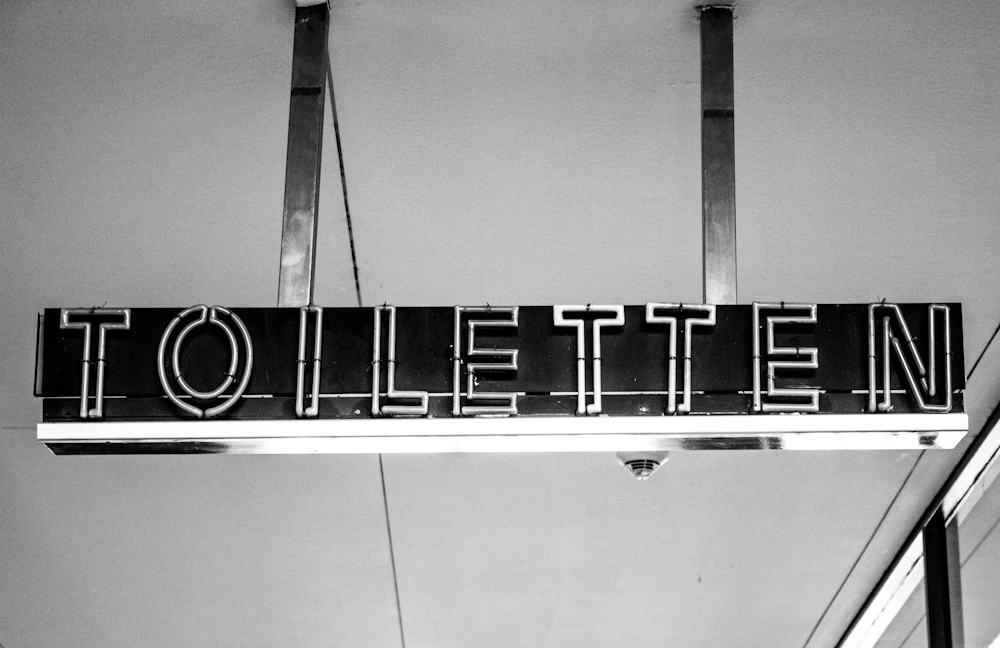
This is the only way to actually get inside the building. There are several tour types to choose from — public tours, photography tours, group tours, and special themed tours (some cover the general history, others focus specifically on the underground spaces or Cold War myths). You won’t see every corner of the 300,000-square-meter building — that would be impossible in a 2-hour tour. Fun fact: if you had lunch in a different room every day, it would take you around three years to visit them all.
Standard tours run about €16.50 for adults and €11 for students and children (ages 6-14), though it’s worth checking the official Tempelhof tour page for current pricing and schedule before you go, since tours can be adjusted on short notice for events or construction. If you have the Berlin WelcomeCard, you get 25% off.
2. See the Berlin Airlift Candy Bomber
Outside the terminal sits a real Douglas C-54 Skymaster — one of the “Candy Bomber” aircraft that flew supply missions during the 1948-49 Berlin Airlift. There’s also a memorial nearby to the airmen and civilians who died during the airlift operation. It’s a genuinely moving stop, and a reminder of just how central this airport was to the city’s survival during the Soviet blockade.
3. Walk, Bike, or Skate the Runways
Tempelhofer Feld is one of Berliners’ favorite places to hang out. For the sporty types, you can walk, cycle, run, or skate along the old runways; for the less sporty types, a picnic or an afternoon on the grass works just as well. The park regularly hosts festivals, markets, and events throughout the year, so it’s worth checking what’s on before your visit.
4. Go Underground on the Hidden Places Tour
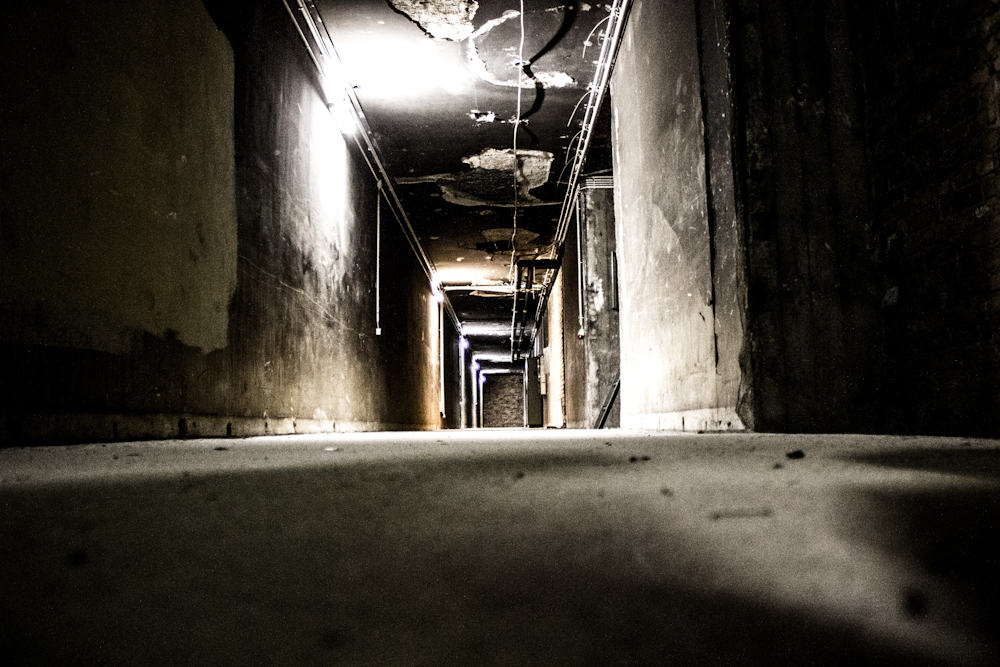
If the standard tour isn’t enough history for you, there’s a dedicated underground tour that takes you through bunkers, air-raid shelters, and cellar vaults beneath the terminal — areas not covered on the standard tour. Many stories and myths surround these underground spaces, and the guides do a good job separating fact from legend.
5. Catch the View from the Rooftop
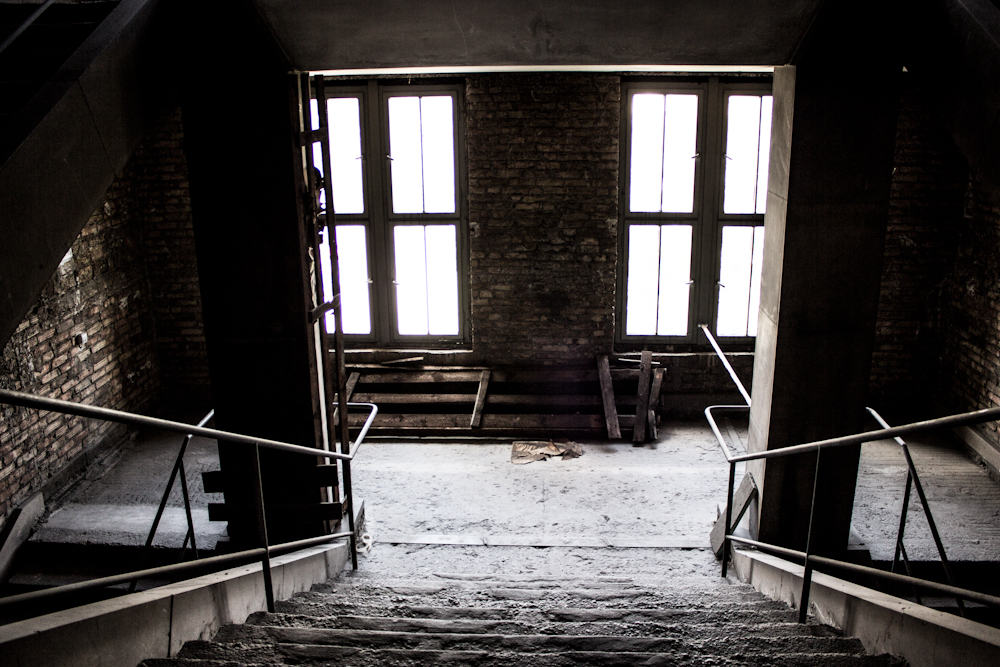
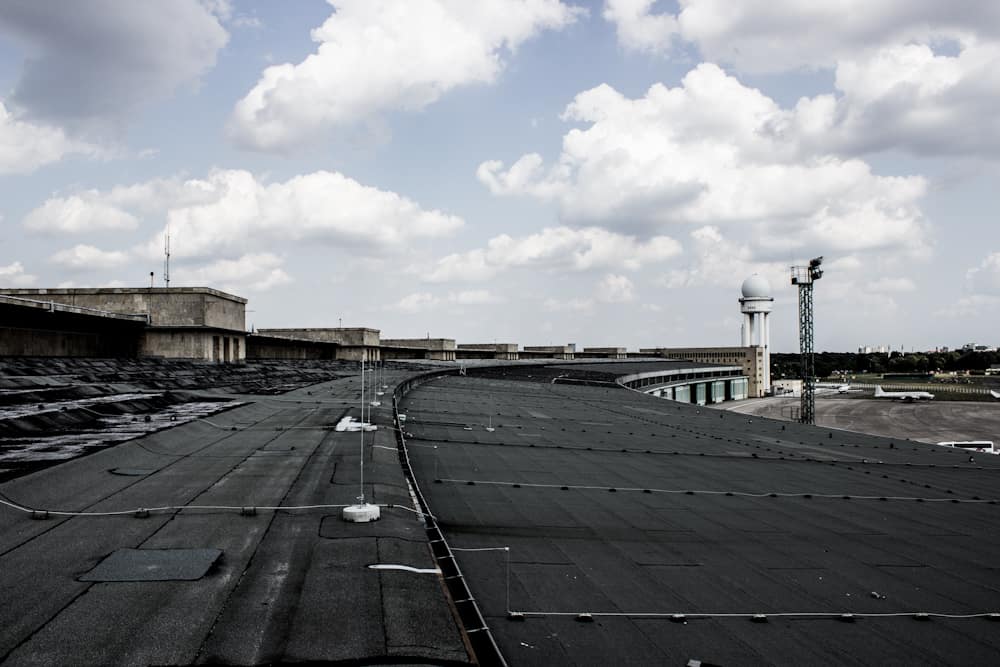
My personal highlight of the tour was the view from the roof. Walking up and down the stairs and floors, you can see from the layer of dust in some rooms that no one has set foot there in a long time — and then you step out onto the roof and get a completely different perspective on the airfield and the city beyond it.
6. Reflect on a City’s Resilience
This one isn’t a ticketed activity, but it’s worth doing anyway: just sit with it for a moment. Tempelhof shows how, no matter your past, there’s always a chance to change and turn negatives into positives. Berlin adapted and gave a new purpose to a site built under one of history’s darkest regimes and later central to the city’s survival during the blockade — turning it into a symbol of resilience and creativity that both tourists and locals can enjoy today.
Bonus: Take the New “Tempelhof Visions” Tour
A newer addition to the tour lineup, Tempelhof Visions looks at the site differently from the history-focused tours — it explores Tempelhof as a place in transition, and as a reflection of Berlin’s current debates on urban development. If you’ve already done the history tour and want a different angle on the same building, this is the one to add.
Getting There
Take the U6 line to Platz der Luftbrücke or Paradestrasse station — the GAT Terminal entrance (Tempelhofer Damm 1-7) is about a 3-minute walk from Paradestrasse. Tours typically run Wednesday afternoons and Friday through Sunday; check the official schedule before you go, since times and availability change.
Visiting Tempelhofer Feld makes a great addition to a Berlin trip. If you haven’t explored much of the city yet, a general Berlin sightseeing tour is a good way to get oriented before you dive into Tempelhof’s specific history.
